Cute Stories Font for Playful Web Design
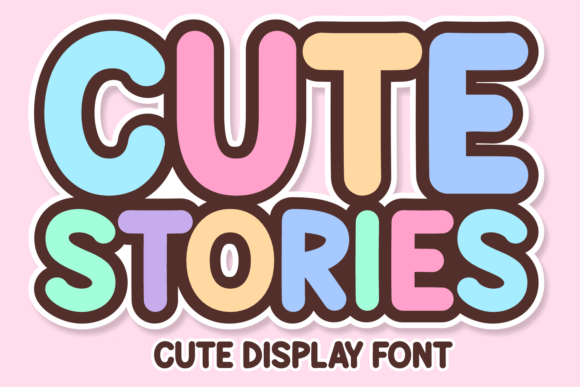
I was working on a new boutique online store for a toy brand when I stumbled upon Cute Stories, a display font that immediately caught my eye. The goal was to create a warm, inviting digital space that felt both professional and fun — something that would appeal to parents while still resonating with kids. Cute Stories fit the bill perfectly with its playful yet readable design.
Cute Stories for Children’s Product Branding
When designing the hero section of the website, I wanted the headline to be engaging without sacrificing clarity. Cute Stories offered a unique blend of whimsy and legibility, making it ideal for headlines like “Explore Our Toy Collection” or “Gifts That Spark Joy.” The rounded edges and gentle curves gave the text a soft, approachable feel that matched the brand's personality.
I tested the font across different screen sizes and found that it maintained its charm even at smaller scales. This made it perfect for mobile users who often skim content quickly. Pairing Cute Stories with a clean sans serif font for body copy helped maintain visual hierarchy without overwhelming the reader.
Cute Stories in Digital Planners and Online Tools
Another project involved redesigning a digital planner template for a productivity app aimed at creative professionals. The challenge was to balance creativity with usability. Cute Stories came in handy for decorative elements such as section headers and motivational quotes within the planner interface.
Its display font style added a touch of personality without distracting from the main content. I used it sparingly — mostly for titles and callouts — ensuring that the overall layout remained focused and easy to navigate. The font’s readability made it suitable for short phrases and headings, which are common in digital planning tools.
Cute Stories for Casual Game Interfaces
Working on a casual game landing page, I needed a font that could convey fun and excitement without being too childish. Cute Stories provided just the right tone. It worked well for buttons like “Start Playing” and “Join the Fun,” where a bit of playfulness could enhance user engagement.
I experimented with placing the font over image banners and found that it complemented bright, colorful visuals well. The font didn’t clash with the game’s aesthetic, and it maintained a sense of professionalism that was crucial for building trust with potential players.
Cute Stories in Blog Headers and Editorial Content
For a blog redesign focused on lifestyle and wellness, I wanted to inject some character into the header sections. Cute Stories brought a fresh, modern vibe that aligned with the blog’s friendly and approachable tone. Using it for post titles like “5 Simple Ways to Stay Happy” or “Mindfulness for Beginners” helped draw attention and encourage clicks.
The font’s versatility allowed me to use it in various contexts — from main headers to subheadings — without losing consistency. I paired it with a more traditional serif font for body text, creating a balanced and visually appealing layout that supported the blog’s editorial identity.
Cute Stories for Branded Campaign Pages
On a recent campaign landing page for a children’s book launch, I needed a font that would capture the imagination of young readers and their parents alike. Cute Stories was an obvious choice. Its display font style created a whimsical atmosphere that matched the theme of the campaign.
I used it for the main headline and key calls-to-action, ensuring that the message was clear and compelling. The font also worked well in promotional graphics and social media posts, helping to maintain a consistent brand identity across multiple platforms.
Readability and Performance Tips with Cute Stories
While Cute Stories is undeniably charming, it’s important to consider how it performs in different environments. For best results, use it primarily for short phrases, headlines, and decorative accents rather than long blocks of text. On mobile devices, ensure there’s enough contrast between the font and background to maintain readability.
Also, check that the font is optimized for fast loading times. Many display fonts can impact site performance if not properly implemented. If you’re using Cute Stories on a high-traffic site, consider using webfont services that offer efficient delivery methods.
Font Pairing Strategies with Cute Stories
To keep the design clean and professional, I recommend pairing Cute Stories with a simple sans serif font like Helvetica or Arial for body copy. This combination provides a good balance between creativity and readability, making it suitable for a wide range of digital projects.
If you're aiming for a more editorial look, a classic serif font like Georgia or Times New Roman can work well alongside Cute Stories. Just make sure the contrast between the two fonts is subtle enough to avoid visual clutter.
Overall, Cute Stories is a versatile display font that brings a sense of joy and personality to any digital project. Whether you're designing for children's products, casual games, or digital planners, this font can help elevate your brand's visual identity and create a more engaging user experience.