Cute Crayon: A Playful Display Font for Creative Projects
Cute Crayon for Logo Design and Brand Identity
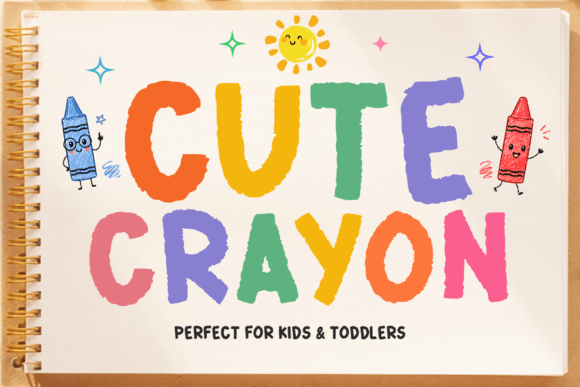
There's something about opening a blank brand board that makes you feel like you're starting from scratch, but with Cute Crayon in hand, it felt like I had a secret weapon. This display font, with its hand-drawn texture and playful curves, instantly brought a sense of childhood wonder to my logo concept. As an experienced brand designer, I've tested countless fonts, but Cute Crayon stood out for its ability to inject personality into a brand identity without losing professionalism.
I used it on a logo draft for a boutique children's bookstore, and the result was charming and approachable. The soft edges and uneven strokes gave the design a handmade feel, which perfectly matched the brand’s mission to inspire young readers. It wasn't just a font—it became a visual representation of creativity and imagination.
Cute Crayon in Packaging Design and Product Labels
When it came time to create packaging mockups for the same project, I knew Cute Crayon would be a natural fit. I placed it on product labels, and the font's texture blended beautifully with watercolor backgrounds and pastel color schemes. The playful nature of Cute Crayon made the packaging feel inviting and fun, which is exactly what the brand needed to stand out on store shelves.
I also experimented with using Cute Crayon as an accent font on gift wrap and promotional materials. The contrast between the textured font and clean sans-serif body text created a balanced yet eye-catching look. It worked well in both digital and print formats, proving that this display font can adapt across various platforms.
Cute Crayon for Social Media Graphics and Website Headers
In the world of social media, first impressions matter, and Cute Crayon delivered in spades. I tested it on Instagram posts and website headers for the children's bookstore, and it added a whimsical touch that resonated with the target audience. The font’s unique character helped elevate the brand’s online presence, making it more engaging and memorable.
On the homepage hero section, I paired Cute Crayon with a modern sans-serif font for body text. The combination felt fresh and dynamic, creating a visual hierarchy that guided users' attention effortlessly. It was clear that Cute Crayon was best suited for headlines and short phrases rather than long paragraphs, which aligns with its role as a display font.
Cute Crayon in Business Cards and Print Materials
For the business cards, I used Cute Crayon as the main font, and the results were delightful. The font's texture translated well to print, giving each card a tactile, handcrafted quality. I even added subtle line art around the text to enhance the overall design. It was a great way to reinforce the brand’s identity through every touchpoint.
However, I did notice that Cute Crayon may not be ideal for formal or corporate settings. Its playful nature doesn’t suit long body text or highly professional contexts, so it's best reserved for creative projects where a lighthearted tone is appropriate.
Cute Crayon for Font Pairing and Commercial Use
Font pairing is always an important consideration, and I found that Cute Crayon works exceptionally well with serif and sans-serif fonts. For example, combining it with a clean sans-serif font like Helvetica for body copy created a nice contrast while maintaining readability. When designing for commercial use, I recommend checking the licensing agreement to ensure it meets your needs, especially if you plan to use it in client work, templates, or print-on-demand products.
The font comes in multiple styles, including alternates and ligatures, which gives designers flexibility in their creative process. Whether you're working on editorial design, web design, or branding projects, Cute Crayon has the versatility to make an impact without overshadowing other design elements.