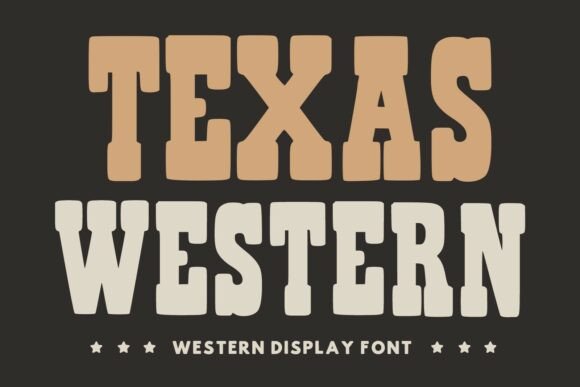
Texas Western: A Bold Display Font for Editorial Projects
There’s a certain magic in choosing the right font for a project—it can elevate the mood, set the tone, and even shape the reader’s first impression. Recently, I found myself redesigning the header for a lifestyle blog focused on rustic living, and that’s when Texas Western Display Font caught my eye. Its bold, rugged character felt like the perfect match for the theme, and after testing it across several layouts, I realized how well it supports editorial design with both style and substance.
Texas Western for Magazine Covers and Branding Elements
Texas Western brings a vintage western flair to any editorial layout, making it ideal for magazine covers or branding elements that require a strong visual punch. With its strong slab shapes and vintage western character, this Display Font adds a sense of authenticity and rugged charm that’s hard to replicate with other typefaces. I used it for a digital magazine cover themed around cowboy culture, and the result was striking—readers immediately associated the font with the content’s spirit.
The font’s structure allows it to stand out without overwhelming the layout. It works especially well when paired with a clean sans serif font for body text, creating a balanced contrast that guides the reader’s eye naturally from headline to content. This makes it a great choice for Fonts that need to support both visual hierarchy and readability in editorial projects.
Texas Western in Blog Headers and Newsletter Graphics
For a recent blog redesign, I tested Texas Western as the main heading font for a wellness blog that had shifted toward a more adventurous, outdoor-focused vibe. The results were immediate—headlines became more engaging, and the overall look felt more cohesive. The font’s boldness gave the blog a confident, approachable presence, which aligned perfectly with the new editorial direction.
In newsletter graphics, Texas Western also performed well. When used for section headers or pull quotes, it added a touch of personality without sacrificing clarity. However, I did notice that it’s best suited for shorter texts rather than long paragraphs. For instance, using it in a newsletter header or as a decorative accent made the layout feel more dynamic and visually interesting.
Texas Western for Printables and Course Materials
I recently incorporated Texas Western into a printable planner for a coaching workbook. The font’s vintage western character fit the theme beautifully, and it helped reinforce the brand identity of the product. Readers responded positively to the aesthetic, noting that it felt both professional and personable.
When working with print materials or course PDFs, it’s important to consider screen readability. While Texas Western is excellent for headlines and decorative accents, it may not be the best option for dense blocks of text. That said, it shines in titles, chapter openers, and callout boxes where visual impact matters most. Pairing it with a readable serif or sans serif font ensures that the content remains accessible while maintaining the desired editorial mood.
Texas Western in Wedding Guides and Lifestyle Publications
Another use case I explored was a wedding guide that needed a unique and memorable visual identity. Texas Western was the perfect fit for the title page and feature sections. Its bold, rugged style conveyed a sense of adventure and celebration, aligning with the theme of a rustic-themed wedding event. The font added an element of storytelling, making the publication feel more personal and engaging.
For lifestyle publications or niche guides, Texas Western can serve as a powerful tool to differentiate your content from the competition. It offers a distinct visual signature that readers can instantly recognize, which is invaluable for building brand identity and reader loyalty.
Texas Western and Practical Font Pairing Considerations
When working with Texas Western, it’s essential to think about font pairing. As a display font, it should be used in conjunction with a more legible font for body copy. I found that pairing it with a modern sans serif or a classic serif font created a harmonious balance between style and readability. This is especially important in longer formats like e-books or course materials, where the reader’s comfort should never be compromised for aesthetics.
Before finalizing any project, it’s also wise to check the font’s included styles, alternates, ligatures, weights, and multilingual support. Ensuring that Texas Western meets your specific needs—whether for print, web, or digital publishing—can save time and prevent unnecessary revisions down the line.